
- All
- AI
- Markets
- Macroeconomics
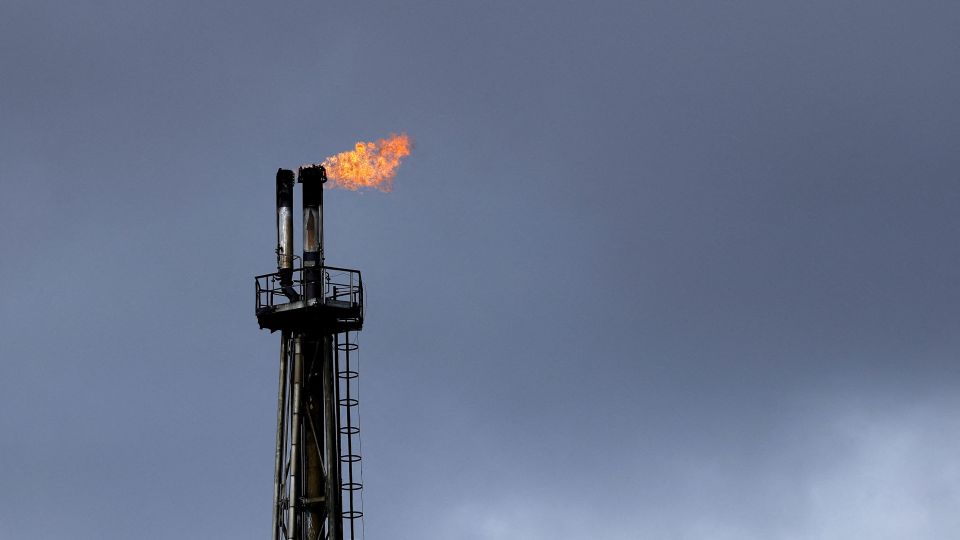
Oil prices climbed Sunday after Iran once again blocked the passage of most ships through the Strait of Hormuz, a key waterway for one-fifth of the world’s crude.

Oil prices rose in early trading Sunday as a standoff between Iran and the U.S. prevented tankers from using the Strait of Hormuz, the Persian Gulf waterway that is crucial to global energy supplies. The price of U.S. crude oil increased 6.4% to $87.90 p
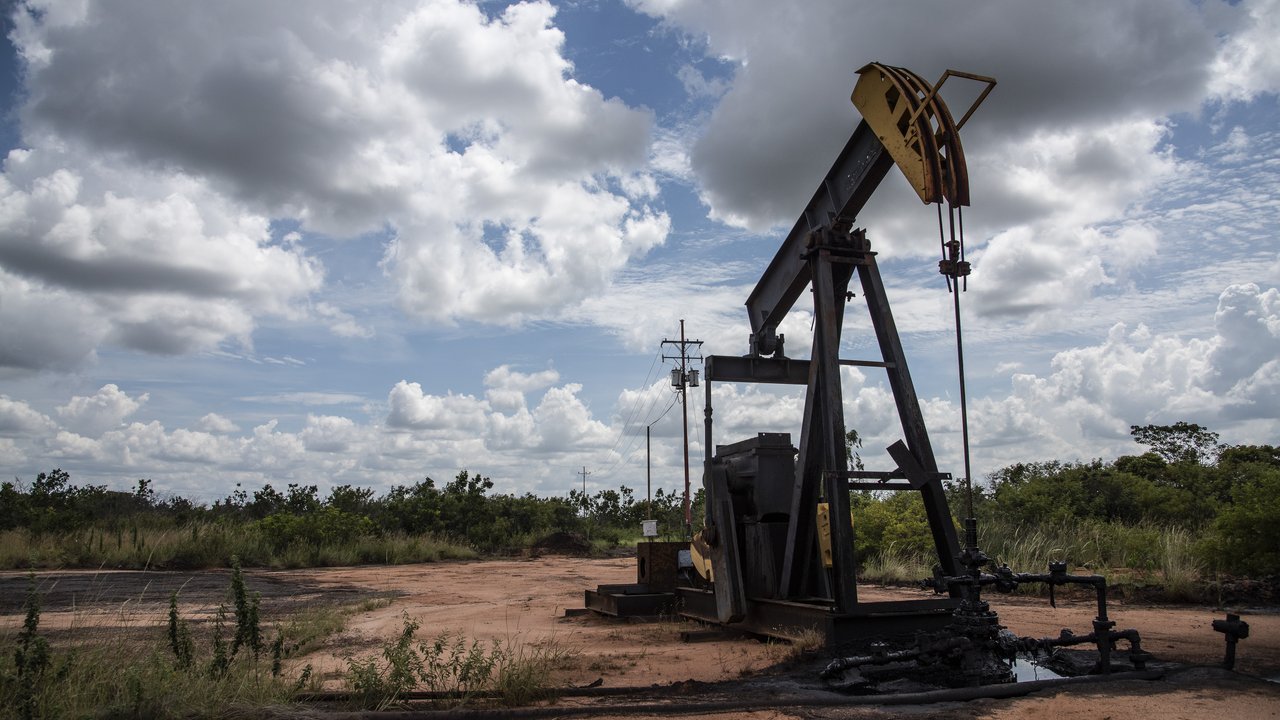
With Venezuelan President Nicolas Maduro captured by U.S. forces, financial markets are already eyeing an oil repricing from a Venezuela supply rebound
(Bloomberg) -- The cumulative global impact of seven weeks of war in the Middle East will begin to emerge in the coming week, in a second round of business surveys from multiple countries. Most Read from BloombergHormuz Chaos, Lebanon Clashes Dent Trump P

“The current system right now is unsustainable,” one economist said. As baby boomers age, the problems may only intensify.
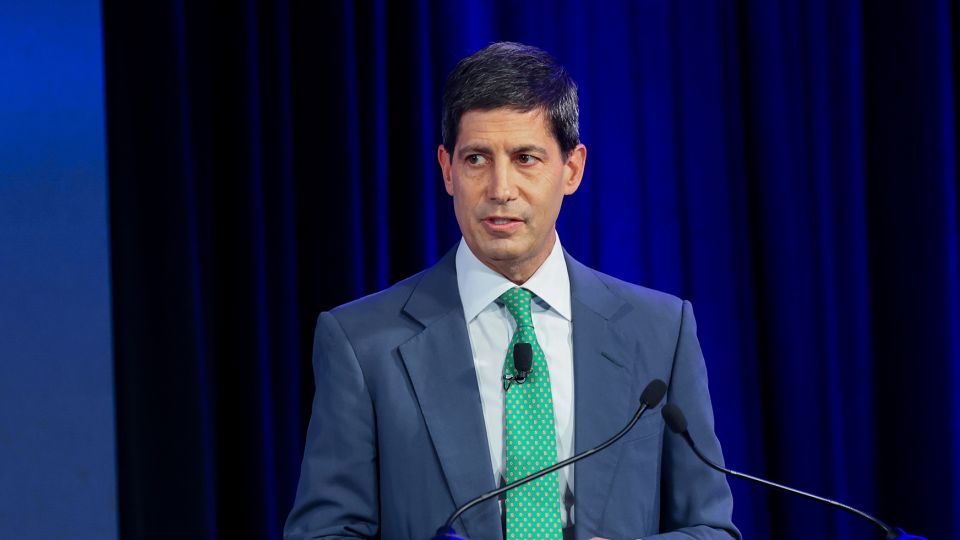
The process to install Kevin Warsh, President Donald Trump’s nominee to succeed Federal Reserve Chair Jerome Powell, isn’t going smoothly, and it could get even more complicated.
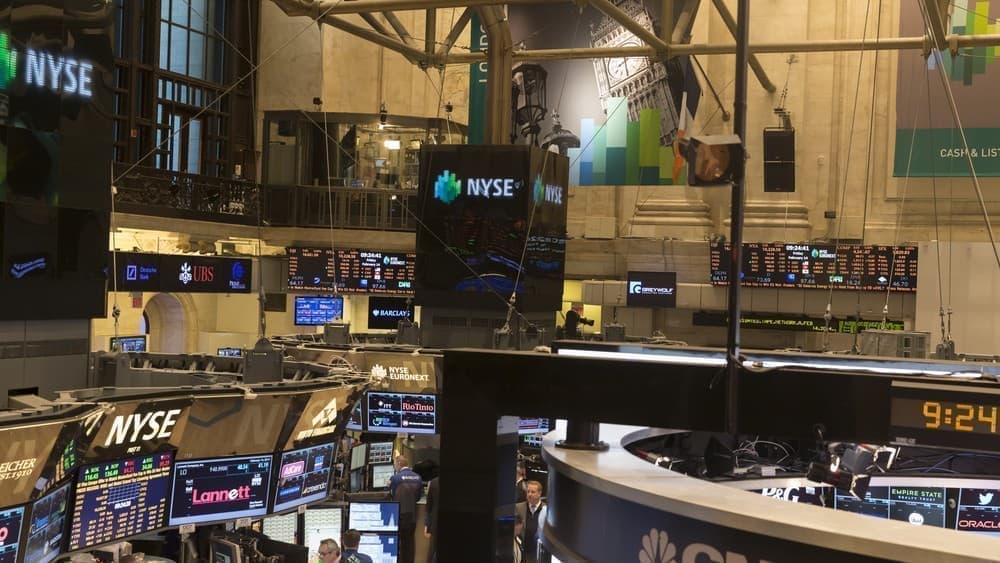
Europe’s oil majors are set for strong earnings, driven by exceptional trading profits amid extreme volatility in global oil and gas markets.

Investors can find attractive stocks even in the current landscape.

Putin revealed that GDP shrank by combined 1.8% in January and February, adding that manufacturing, industrial production, and construction were negative.
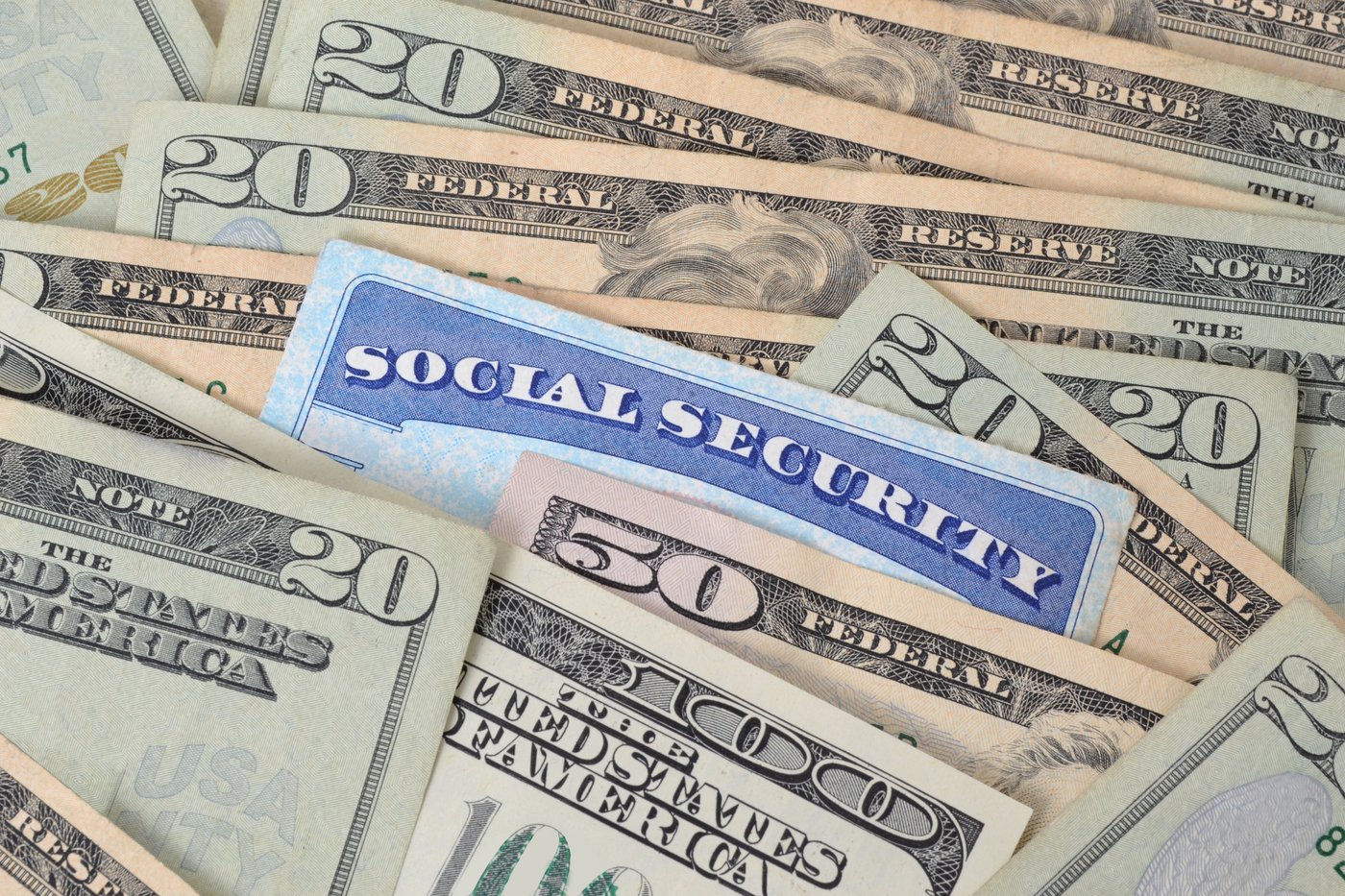
Continuing on this pace could be a double-edged sword for recipients.
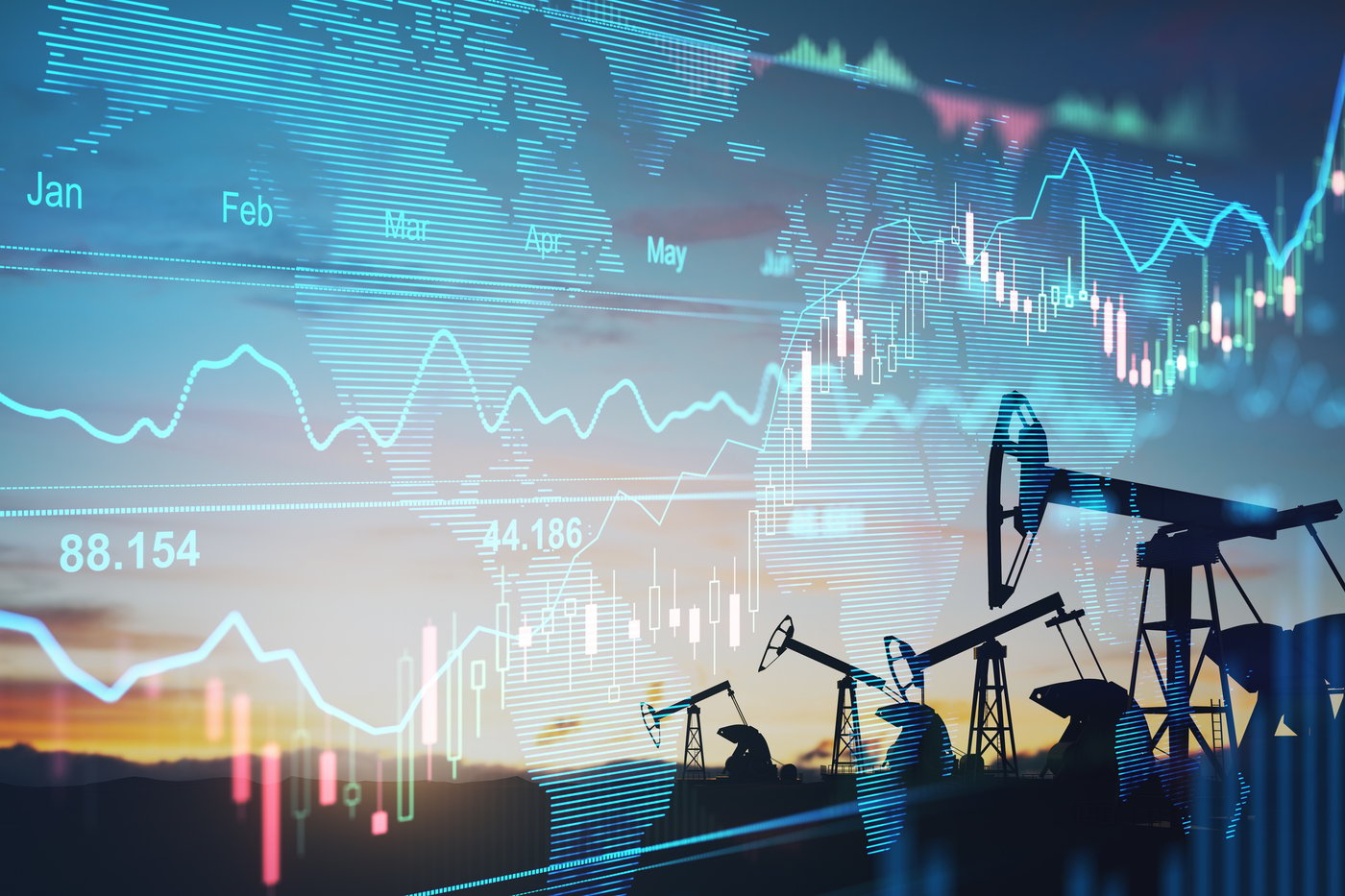
These energy stocks have ample fuel to grow even if oil prices fall.
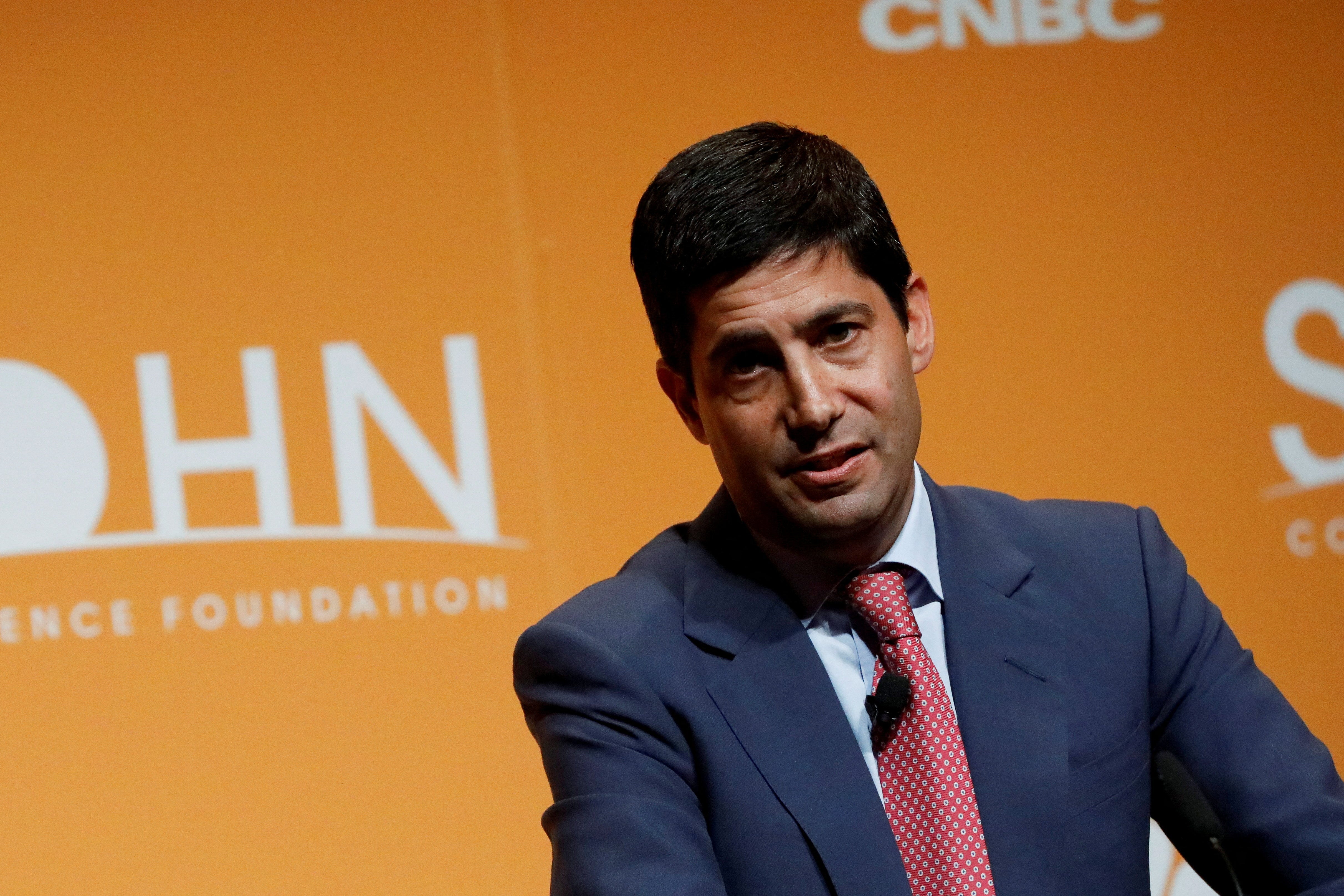
If confirmed, Kevin Warsh will inherit a Federal Reserve and an economy that are very different from past chairs' terms. Here's what to know.
Federal Reserve governor Chris Waller said Friday that whether or not the Iran war ends soon, he's cautious about cutting interest rates right now.
Federal Reserve Governor Stephen Miran suggested on Thursday that he's become slightly more hawkish because inflation looks a bit stickier and he now sees less reason for accommodative monetary policy than he once did.
US GDP could grow by more than 10% by 2034 on the back of large-scale economic growth driven by the boom in AI, according to BNP Paribas economists.